
\n\n
Key developments:
- Anthropic’s $518 billion of non‑cancelable compute contracts underscore the scale of capital locked into AI‑driven GPU demand.
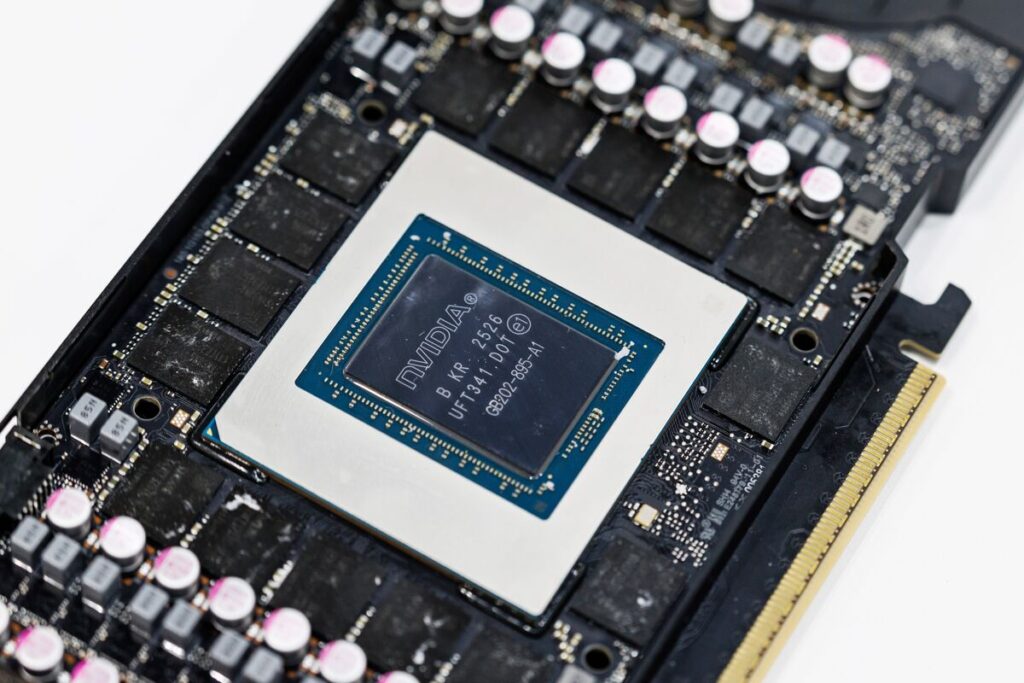
- Nvidia, still the dominant AI‑accelerator supplier, is seeing its China market share dip to 34 % as domestic rivals like Huawei gain traction, highlighting regional shifts in supply chains.
- Investors are closely monitoring broader credit conditions – Treasury yields, Fed policy and semiconductor inventory – as these factors influence the financing of data‑center build‑outs and the ability of firms such as CoreWeave and Nvidia to meet aggressive revenue targets.
- A forthcoming Nvidia quarterly report (October, 2026) with guidance of $108 billion will serve as an early barometer; a miss could signal the first demand slowdown predicted by analysts.
Why it matters:
The compute market is now underpinned by multi‑trillion‑dollar financing structures, from private credit to junk‑bond issuance, making it highly sensitive to macro‑financial shifts. Large, non‑cancelable compute commitments lock in demand for GPUs and related silicon, but also create leverage risk if funding costs rise. Nvidia’s market‑share erosion in China could accelerate diversification of the supply chain, while strong revenue growth at firms like Anthropic demonstrates that demand remains robust despite financing concerns.
What to watch next:
- Nvidia’s October earnings and any deviation from the $108 billion guidance.
- Trends in Treasury yields and credit spreads, which will affect the cost of borrowing for AI data‑center projects.
- Continued regional dynamics, especially Huawei’s ascent in China and potential policy actions on AI‑related exports.
- Corporate announcements from other major players (e.g., Microsoft’s claim of achieving OpenAI‑level performance with ¼ of the compute) that could reshape the economics of AI model training. [[1, 2, 3, 4]]