
\n\n
Key developments:
- In India, the Delhi High Court ordered the removal of AI‑generated deepfakes of actor Vijay Deverakonda and instructed platforms such as Meta, Google and X to permanently take down any content that misuses his name, image, voice or other personality attributes. This marks a rare judicial injunction directly targeting synthetic media and reinforces personality‑rights protection.
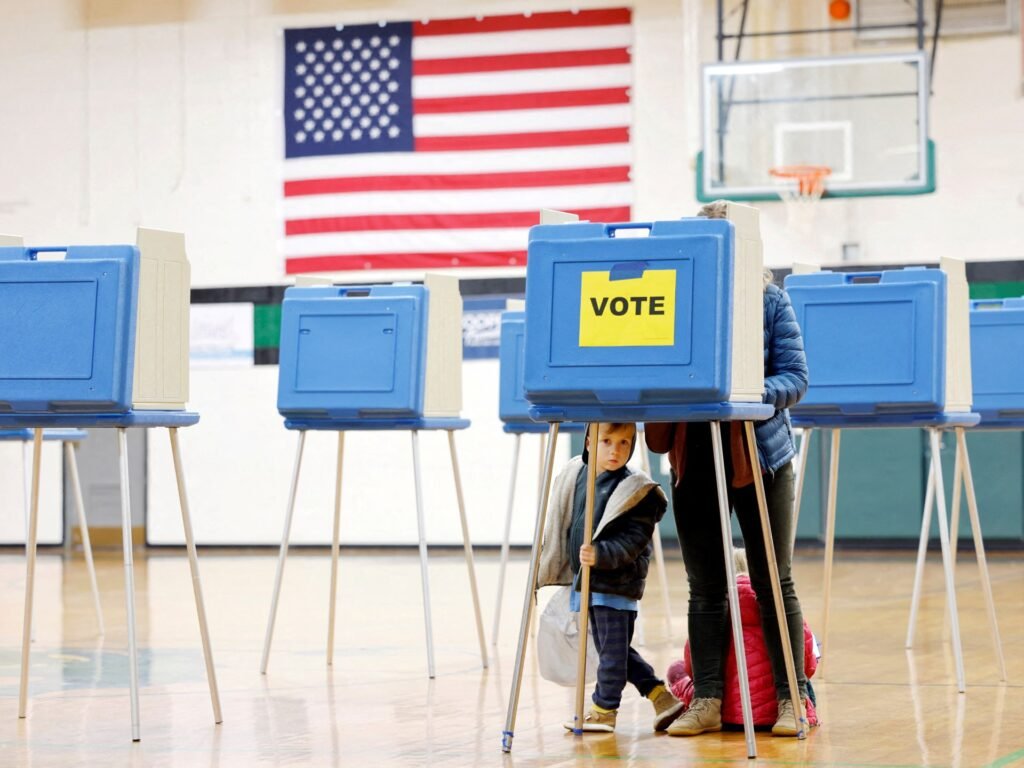
- In the United States, OpenAI introduced a new ChatGPT feature that blocks realistic election‑related images and is pairing its SynthID watermarking tech with Google to embed provenance data in AI‑generated visuals. The move is aimed at preventing deepfake misinformation ahead of the November 2026 midterm elections.
- In Europe, Italian Prime Minister Giorgia Meloni filed a trademark application for her voice with the EU Intellectual Property Office, submitting a four‑second audio clip of her signature phrase. The filing seeks to give her legal recourse against AI‑cloned voice attacks, a step echoed by other public figures worldwide.
- In the Middle East, Dubai Police released a study warning that deepfake videos, images and audio are becoming harder to detect, and that the erosion of trust in authentic content could jeopardize public safety and legal processes. The force calls for verification tools and public awareness to counter the threat.
Why they matter:
These actions illustrate a coordinated global response as deepfakes move from novelty to a credible tool for harassment, political manipulation, and fraud. Judicial orders and trademark filings create enforceable rights for individuals, while tech firms are deploying watermarking and content‑blocking safeguards to protect democratic processes. Law‑enforcement agencies highlight the broader societal risk that even verified content may be doubted, underscoring the need for systemic verification standards.
What to watch next:
- How courts in other jurisdictions will follow the Delhi High Court precedent on synthetic media removal.
- Whether OpenAI’s election‑image restrictions will prove effective against sophisticated adversaries, especially after independent testing showed gaps in existing safeguards.
- The outcome of Meloni’s voice‑trademark request and its potential to set a precedent for protecting vocal identity globally.
- Implementation of Dubai Police’s recommendations, including public‑education campaigns and technical verification frameworks, and whether similar initiatives will spread to other countries. [[1, 2, 3, 4]]