
\n\n
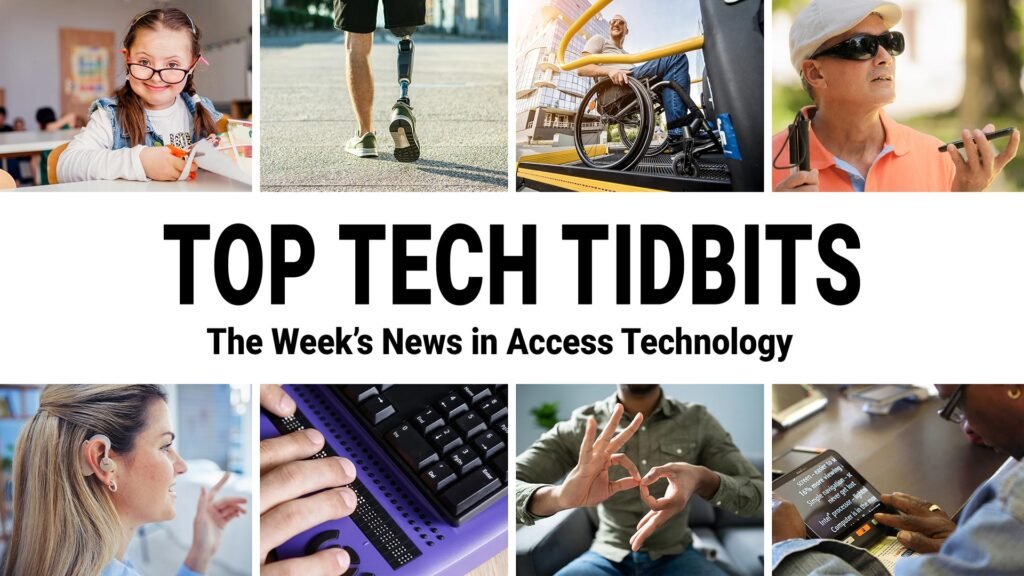
Slack rolled out Simplified Layout Mode, a single‑column, larger‑target interface designed with eye‑tracking, head‑mouse, screen‑reader and neurodivergent user testing, adding persistent actions, independent zoom levels and a breadcrumb bar. Meta’s Ray‑Ban glasses received firmware 129, bringing Mono Audio and an Audio Balance control to its accessibility settings. BlindShell expanded support for blind users by offering a three‑year warranty on its Classic 2 and Classic 3 talking phones, the latter featuring Luna AI and remote assistance. A free web tool, Accessible Signature Capture, now lets blind users create signatures via keyboard control, keeping data on‑device. Industry leadership was highlighted as Level Access earned a Leader spot in Gartner’s 2026 Magic Quadrant for Digital Accessibility Platforms, underscoring its 25‑year impact. Helen Keller Services honored five organizations—including Canon and OXO—for breakthroughs in tactile printing, multiline braille, universal design and communication access. These developments matter because they translate user‑centered research into tangible products, expand legal and market recognition, and broaden the ecosystem of tools that empower people with disabilities. Watch for further integration of AI‑driven assistive features, expanded warranty and support models for accessible hardware, and upcoming accessibility‑focused standards updates that could shape next‑generation inclusive design. [[1]]