
\n\n
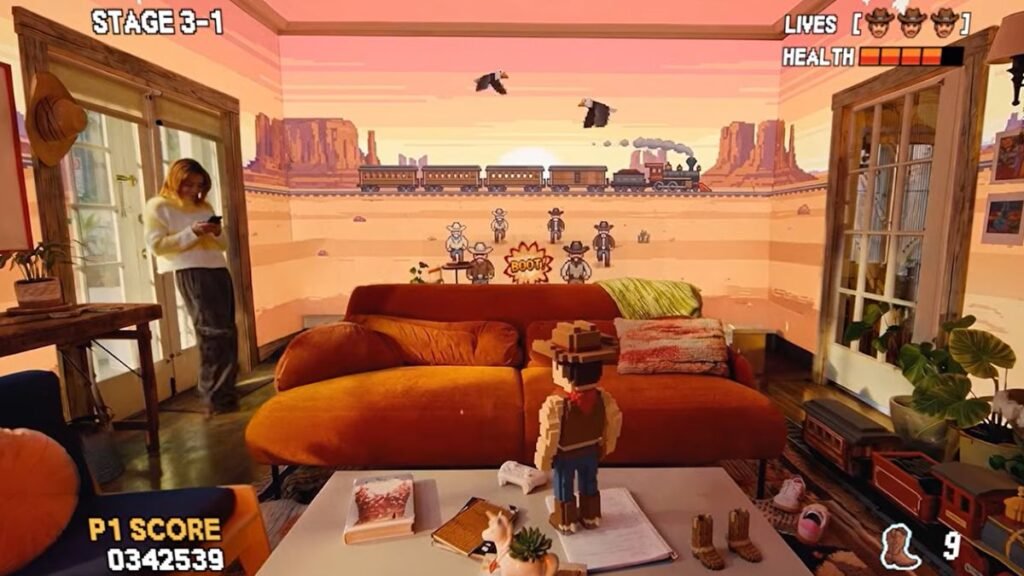
Google unveiled Playground, an experimental AI‑driven platform that lets anyone craft and play browser‑based games simply by describing them in text. Launched in the U.S. on October 7 for adults, the service runs in a web browser on phones and laptops and offers tiered access tied to Google One subscriptions. Users can start from scratch or remix existing titles, share private links, or publish to a community gallery where safety screening and reporting keep content appropriate.
A key development is Google’s partnership with Unity, announced alongside Playground. Unity’s integration, dubbed Unity Spark, will give creators access to the full Unity engine, enabling more sophisticated mechanics, higher‑quality 3D graphics, and multiplayer features while still using Playground’s prompt‑based workflow. This bridge between a low‑code AI front‑end and a professional game engine promises to lower barriers for hobbyists while expanding creative possibilities for experienced developers.
Why it matters: The combo of instant, no‑code game generation and a pathway to deeper engine capabilities could accelerate user‑generated content (UGC) ecosystems, similar to Roblox, and spark new indie experiences without traditional coding expertise. It also raises questions about content moderation, intellectual‑property rights, and how professional studios will compete with AI‑assisted indie titles.
What to watch next: • Further rollout of Unity Spark features and the closed‑beta timeline. • Pricing and tier changes for Playground’s AI tools as Google refines its subscription model. • Community adoption metrics and the emergence of hit games created entirely via prompts. • Industry reactions, especially from major studios evaluating AI integration into their pipelines. [[1, 2]]