
\n\n
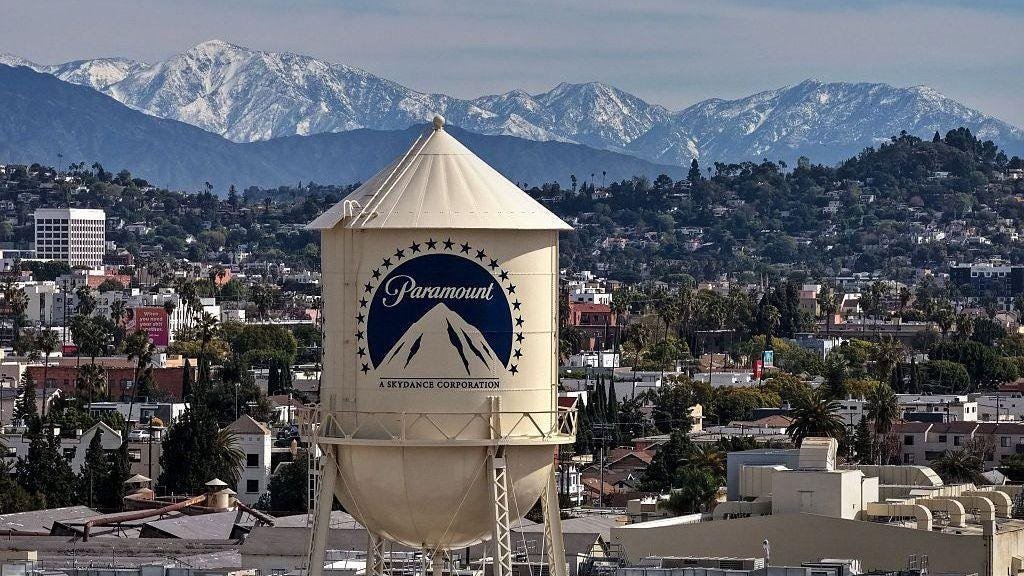
The Justice Department’s recent antitrust scrutiny has not halted the blockbuster consolidation of two Hollywood powerhouses. A federal judge approved Paramount’s settlement with twelve state attorneys general, paving the way for the $81 billion acquisition of Warner Bros. Discovery to close next week. The approval resolves the states’ lawsuit alleging the deal would diminish competition in the media landscape.
Key developments:
• The settlement agreement satisfies the states’ concerns, allowing the merger to proceed without further antitrust obstruction.
• The deal consolidates Paramount’s content library with Warner Bros. Discovery’s extensive film, TV, and streaming assets, creating a media conglomerate with unprecedented scale.
• The approval follows months of regulatory attention, including the Justice Department’s antitrust probe of TV networks.
Why it matters:
The merger reshapes media ownership in the United States, concentrating control of a vast array of content and distribution channels in a single corporate entity. This raises questions about market competition, pricing power for advertisers, and the diversity of voices in the entertainment ecosystem. The settlement also signals that state-level challenges can be negotiated, potentially influencing future media consolidation efforts.
What to watch next:
• How the merged entity will integrate its streaming platforms and whether it will challenge dominant players like Netflix and Disney.
• Potential follow‑up actions from the Justice Department or other regulators should competitive concerns arise post‑integration.
• The impact on content creators, advertisers, and consumers as the new conglomerate leverages its expanded reach.
This development marks a pivotal moment in the evolving landscape of media ownership, with far‑reaching implications for the industry and its audiences. [[1]]