
\n\n
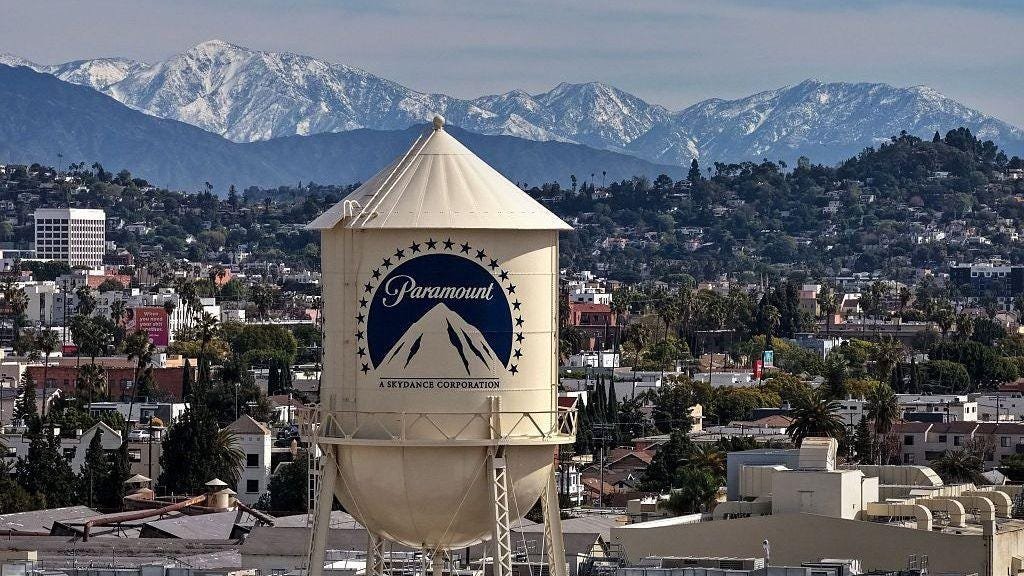
The Justice Department has opened an antitrust investigation into several television networks, signaling heightened regulatory scrutiny of media consolidation. At the same time, the long‑awaited Paramount‑Warner Bros. merger is set to finalize after a federal judge approved a settlement with 12 state attorneys general, clearing the path for the $81 billion deal.
Key developments:
- The DOJ’s probe reflects concerns that major broadcasters may be restricting competition, potentially affecting advertising rates, content diversity, and the bargaining power of independent producers.
- The Paramount‑Warner Bros. settlement resolves lawsuits filed by a coalition of states that argued the merger would give the combined entity excessive market dominance in film, television, and streaming.
Why it matters:
- Regulatory action against TV networks could reshape ownership structures, prompting divestitures or new partnerships to comply with antitrust rules.
- The completion of the Paramount‑Warner Bros. merger creates an even larger media conglomerate, intensifying the debate over concentration of media power and its impact on consumer choice and newsroom independence.
What to watch next:
- Outcomes of the DOJ investigation, including any required divestitures or corrective measures for the targeted networks.
- Post‑merger integration plans for Paramount and Warner Bros., especially how the combined entity will address potential antitrust concerns raised by the settlement.
- Reactions from other media companies and advocacy groups, which may spur additional regulatory scrutiny or legislative proposals aimed at limiting media ownership concentration. [[1, 2]]