
\n\n
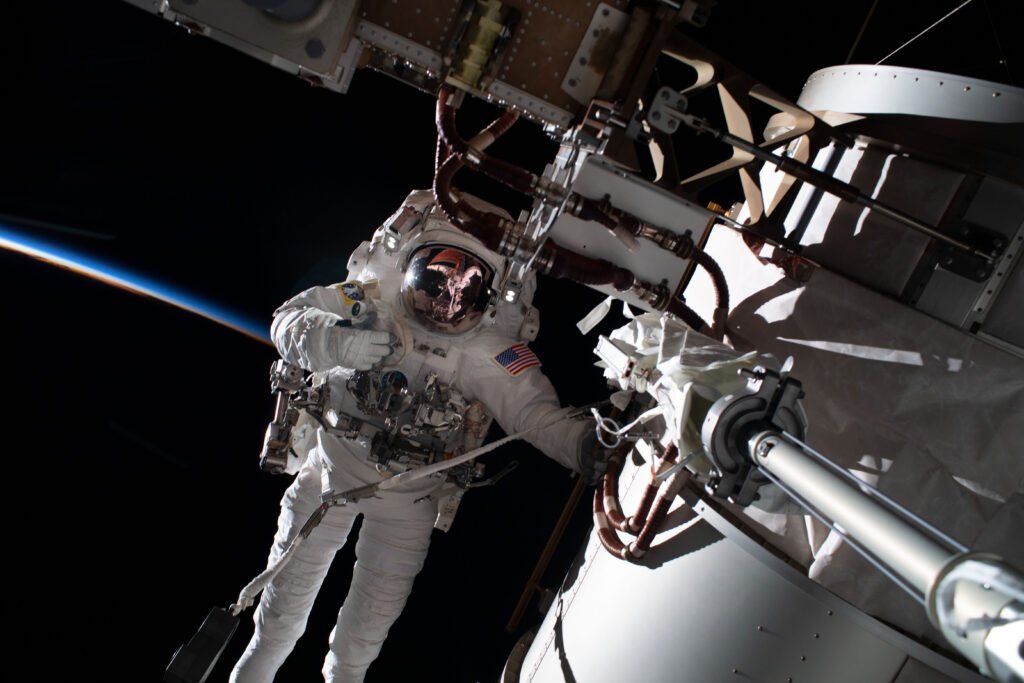
A SpaceX Dragon capsule lifted off on Oct. 13, 2026 carrying the agency’s 35th Commercial Resupply Services mission, CRS‑35. The flight, scheduled for a 6:33 a.m. EDT launch, brings a suite of groundbreaking biomedical experiments—including lab‑grown human brain organoids (AVATAR‑Org1 and MINDS) and a layer‑by‑layer artificial retina printer (LambdaVision‑1)—as well as the International Space Station’s final roll‑out solar arrays.
Key developments:
- Mini‑brains in microgravity: NASA’s AVATAR‑Org1 investigation will keep five‑week‑long miBrain models aloft to study neuro‑degeneration without Earth’s gravity, potentially accelerating research on Alzheimer’s, Parkinson’s and multiple sclerosis.
- Artificial retinal manufacturing: LambdaVision‑1 will test how zero‑gravity conditions enable precise, layer‑by‑layer construction of eye‑tissue scaffolds, a step toward future vision‑restoration therapies.
- Power upgrade for the ISS: The new roll‑out solar arrays complete the station’s power‑capacity overhaul, giving the orbiting lab the electrical headroom needed for these demanding experiments and extending its service life.
Why it matters:
These payloads illustrate NASA’s shift toward using the ISS as a micro‑gravity manufacturing and biomedical research platform, delivering tangible health‑tech breakthroughs and ensuring the station remains a versatile hub for science while commercial stations are readied for the late 2020s.
What to watch next:
- Return and analysis: Dragon will stay docked until mid‑November before splashing down off California, delivering the grown organoids and retinal samples back to Earth for detailed study.
- Future missions: The success of CRS‑35’s hardware could shape upcoming resupply contracts and influence the design of dedicated micro‑gravity manufacturing missions planned for the next decade. [[1]]