
\n\n
Key developments:
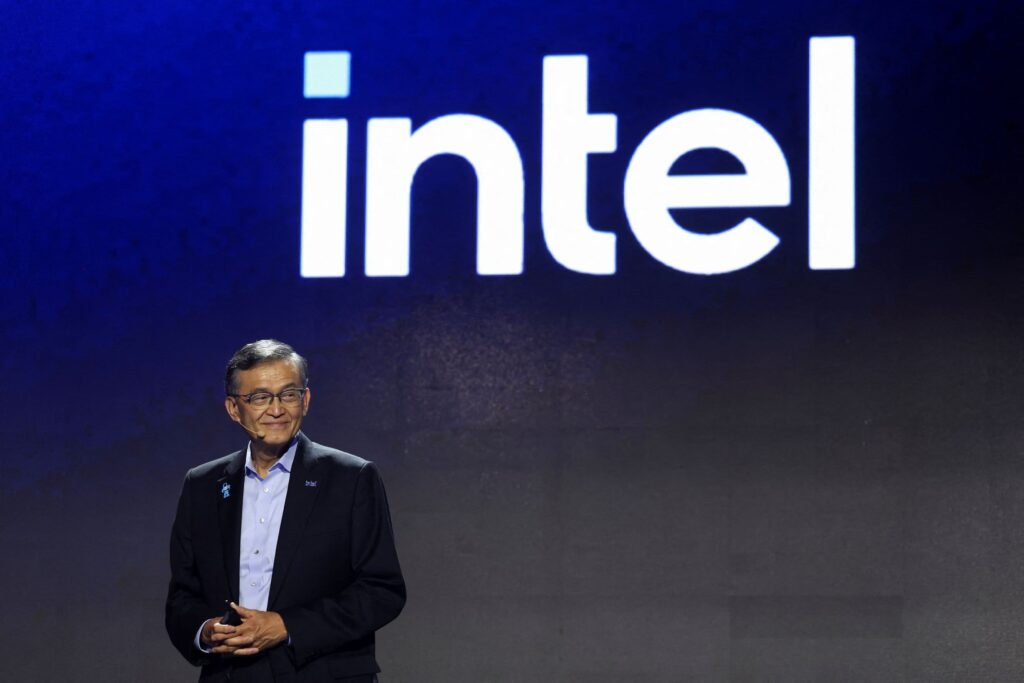
- Leading chip makers and AI firms are warning that the shortage of AI hardware will persist for the next two to three years. Intel’s CEOs Patrick Gelsinger and Lip‑Bu Tan both highlighted ongoing supply‑chain constraints across memory, wafers and advanced packaging, noting a shift toward CPU‑heavy AI workloads as the GPU‑to‑CPU training ratio fell from 8:1 to 4:1.
- Rental prices for the industry’s flagship GPU, Nvidia’s H100, have risen 60% in just one year, pushing companies to secure multi‑year contracts with large upfront payments. This price spike is forcing startups into unlikely alliances and prompting venture firms to reserve GPU capacity for their portfolios.
- China is scrambling to close its own compute gap. Over one million Nvidia RTX Pro chips have been purchased this year, yet domestic supply is still only about 3.5 million units against a demand exceeding 5 million. Major Chinese internet firms are jointly boosting AI capex to roughly $104 billion.
- Even the biggest players are seeking new sources of power. Anthropic negotiated a $45 billion‑scale lease of more than 300 MW of compute from SpaceX’s xAI, underscoring how firms are turning to non‑traditional partners to secure capacity.
Why it matters:
- The prolonged hardware bottleneck limits the speed at which new AI models can be trained, slowing innovation across sectors from cloud services to autonomous systems.
- Rising compute costs erode profit margins and favor only the best‑funded organizations, potentially consolidating the AI market around a few hyperscalers and chip makers.
- Memory and wafer shortages highlighted by Intel suggest that even next‑generation chips may not be enough to meet demand, pushing firms to explore alternative architectures or custom silicon.
What to watch next:
- How major cloud providers and hyperscalers respond to the shortage—whether they will lock in longer‑term supply deals or accelerate the development of custom AI chips.
- Potential policy or investment interventions aimed at expanding advanced packaging capacity and memory production, especially in regions like Taiwan and the United States.
- The emergence of new financing models, such as venture‑backed GPU leasing pools or large‑scale power‑purchase agreements, that could reshape how AI compute is funded.
- Continued shifts in AI workload design, especially the move toward CPU‑centric and agent‑based models, which could alter the balance of demand between GPUs and CPUs. [[1, 2, 3, 4, 5]]