
\n\n
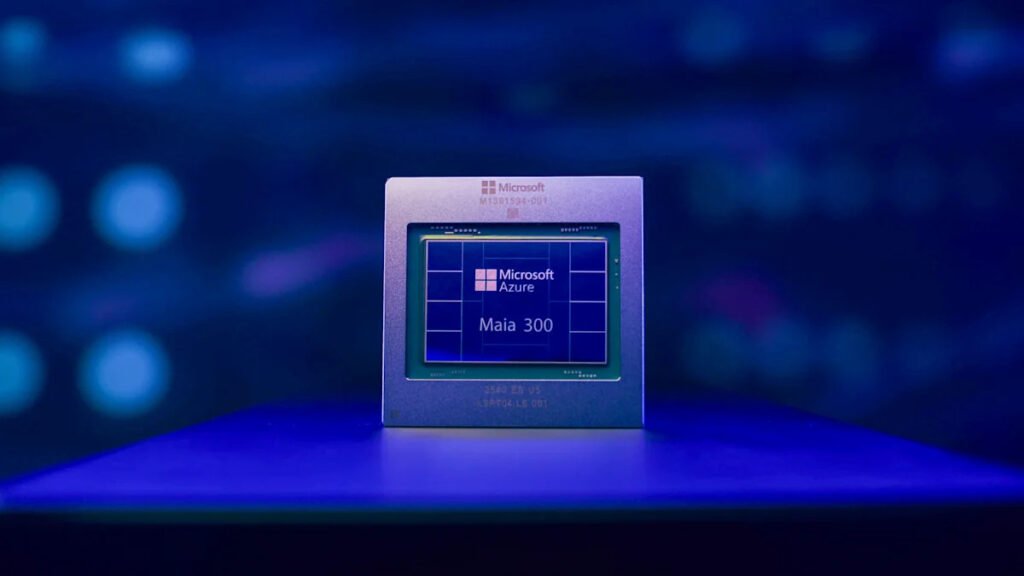
Microsoft’s Maia 300 chip promises a 40% boost in token‑per‑megawatt efficiency over leading GPU‑based systems and will start production deployments in 2027, with multi‑gigawatt Azure rollouts slated for the same year, positioning it as the primary inference engine for Microsoft services. AMD’s Helion rack blueprint, aimed at agentic AI workloads, can pack up to 32,768 CPU cores in a CPU‑only configuration and is expected to be available in November 2026. Marvell’s second‑generation Structera X 3406 CXL memory expander adds up to 9 TB of DDR4 memory per controller, with sampling planned for Q1 2027. Together, these announcements signal a rapid shift toward custom, high‑efficiency compute and massive memory capacity to meet escalating AI inference demand, while the industry watches for early performance data, supply‑chain rollouts and how these designs will influence data‑center power and cost models. [[1]]