
\n\n
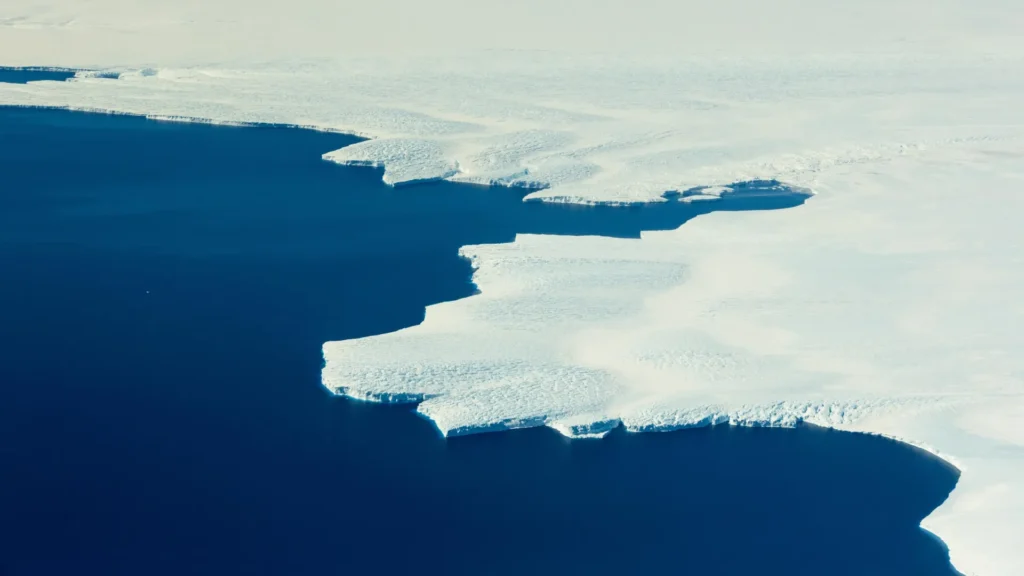
The latest satellite data show that Antarctic sea ice peaked on 14 September 2026 at just 17.59 million sq km, the third‑lowest maximum ever recorded. This decline follows the historic low minimum and maximum observed in 2023, signalling a broader trend of reduced winter ice cover after years of modest growth.
The shrinking ice matters because Antarctic sea ice acts as a buffer between the cold continent and the surrounding Southern Ocean, influencing global heat distribution and carbon uptake. A smaller ice extent allows more warm water to reach the coast, accelerating glacier melt and contributing to sea‑level rise.
Meanwhile, a striking scientific development unfolded in January 2025 when the colossal iceberg A‑84 broke away from the George VI Ice Shelf. The event gave researchers a rare chance to deploy robotic submersibles beneath floating ice, revealing an unexpected, richly diverse ecosystem at depths of up to 1,300 m. The discovery of large corals, ancient sponges, icefish, giant sea spiders and octopuses expands our understanding of how life thrives in extreme, ice‑covered environments.
Why it matters: The newfound biodiversity highlights the ecological importance of ice‑shelf cavities, which could be vulnerable as ice shelves thin and fragment. Protecting these hidden habitats will become increasingly urgent as climate‑driven ice loss progresses.
What to watch next: Scientists will closely monitor the 2026 sea‑ice extent to determine whether the recent lows represent a temporary fluctuation or a long‑term shift. Ongoing surveys of the A‑84 detachment site will seek to track changes in the deep‑sea community as the surrounding ice evolves, informing future conservation and climate‑impact strategies. [[1, 2]]