
\n\n
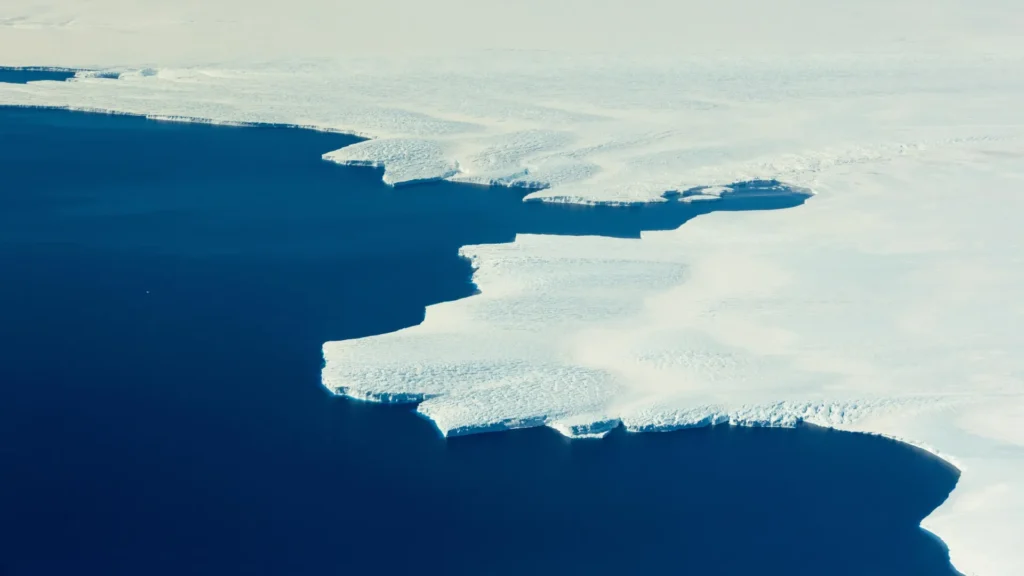
A dramatic ice shelf event in January 2025 saw the giant iceberg A‑84, roughly the size of Chicago, detach from the George VI Ice Shelf. The newly exposed seafloor was surveyed with robotic submersibles, uncovering a surprisingly rich ecosystem of large corals, ancient sponges, icefish, giant sea spiders and octopuses at depths of up to 1,300 m. This discovery provides a rare glimpse of biodiversity beneath floating ice and underscores the scientific value of ice‑shelf dynamics.
At the same time, satellite observations show Antarctic sea ice reached its annual maximum on 14 September 2026, covering about 17.59 million km²—only the third‑lowest maximum ever recorded. After decades of modest growth (about 1 % per decade from 1979‑2014), the continent has experienced a pronounced decline since 2016, with both the record low minimum and maximum occurring in 2023. The 2026 low maximum highlights ongoing climate‑driven changes in the Southern Ocean.
Why it matters: The A‑84 event demonstrates how ice‑shelf break‑ups can open windows onto previously inaccessible marine habitats, offering crucial data for biodiversity and climate‑impact studies. Concurrently, the shrinking sea‑ice extent signals a shift in Antarctic climate dynamics, affecting ocean circulation, marine species, and global heat balance.
What to watch next: Scientists will monitor follow‑up expeditions to the A‑84 site to map its ecosystem over time and assess how melting and ice‑shelf retreat may alter habitat stability. Climate researchers will track sea‑ice trends through the 2026–2027 winter to determine whether the low maximum is part of a longer‑term decline or a short‑term fluctuation, shaping future projections of Southern Ocean climate impacts. [[1]]