
\n\n
A recent study demonstrates that a recurrent spiking network can simultaneously learn what will happen, when it will occur, and how likely it is, using a single population of …
\n\n
A recent study demonstrates that a recurrent spiking network can simultaneously learn what will happen, when it will occur, and how likely it is, using a single population of …

\n\n
The surge in AI workloads has left Nvidia GPUs in short supply, forcing firms to broaden how they obtain compute power. Cloud giants such as Amazon, Microsoft …

\n\n
Key developments:

\n\n
Microsoft’s Maia 300 chip promises a 40% boost in token‑per‑megawatt efficiency over leading GPU‑based systems and will start production deployments in 2027, with multi‑gigawatt Azure rollouts …
\n\n
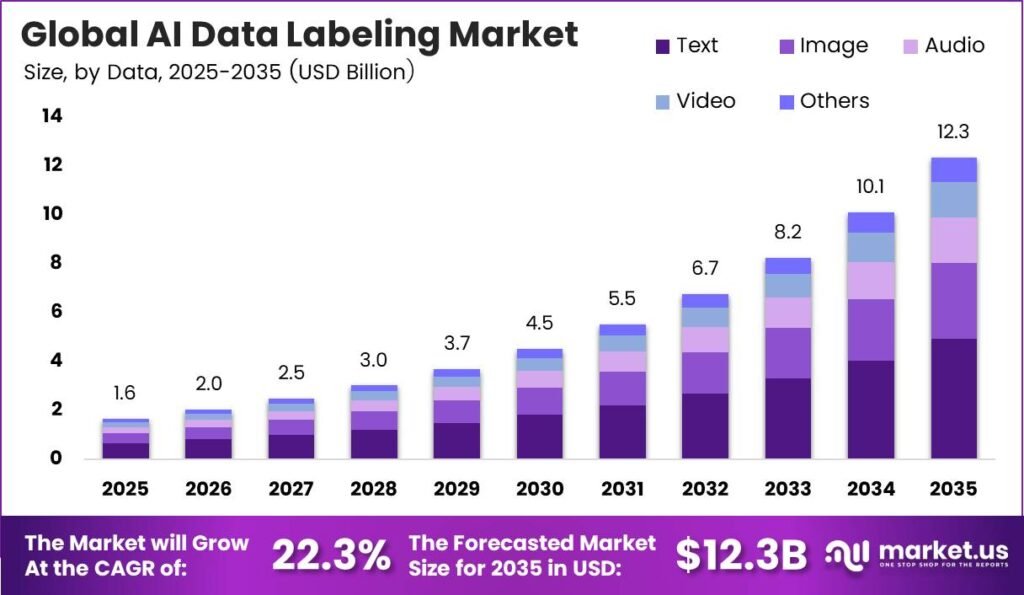
The provided context does not contain any information about recent news on data labeling, so a publish-ready article cannot be created from these sources.…

\n\n
Key developments:

\n\n
Recent coverage highlights that explainable AI (XAI) remains an unresolved challenge: even top AI executives admit they cannot always determine why a model arrives at a particular output, underscoring a …

\n\n
Key developments this week focus on making AI systems more visible and accountable. OpenAI is rolling out an invisible watermark, called textGrain, to all ChatGPT and Codex outputs in …

\n\n
Key developments: New data show AI hallucinations have entered the courtroom thousands of times, with 2,149 recorded incidents by early October 2026, including over a thousand filings by self‑represented …
The latest round of benchmark releases shows Anthropic’s Claude Opus 5.5 consolidating its lead, with a 57.6 point score on the Artificial Analysis Intelligence Index—well ahead of competitors. Its strong showing on specialized leaderboards, such as first place on the …