

\n\n
Key developments:
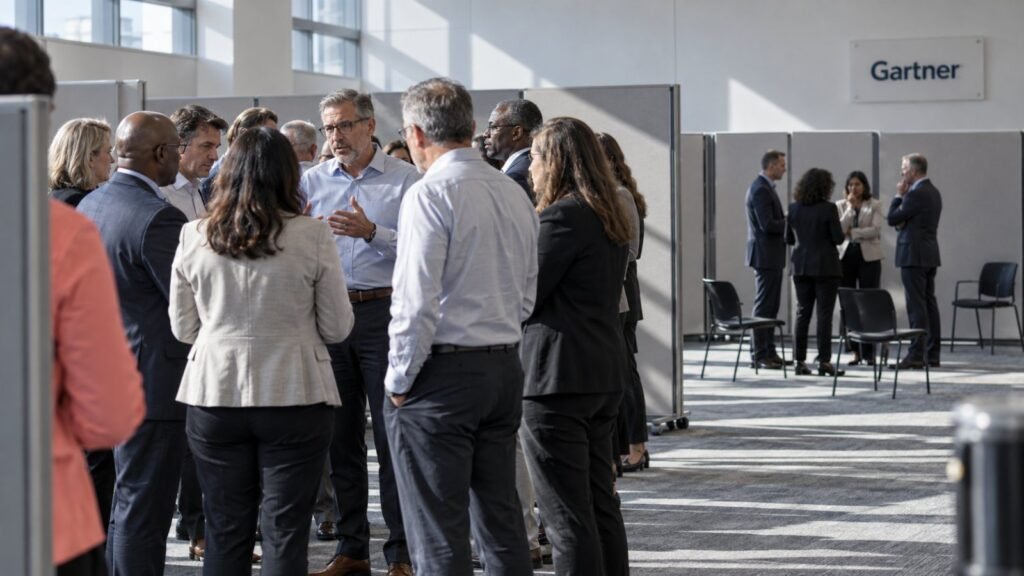
- Gartner’s latest survey shows that autonomous AI‑driven planning will stay limited, with just 5% of firms expected to let AI make at least 10% of decisions by
\n\n
Key developments:
\n\n
Key developments: Recent reports show procurement is shifting from manual, spreadsheet‑based searches to AI‑orchestrated sourcing. PRMAI describes AI now automatically surfacing relevant vendors and pricing, turning procurement from a lookup function …

\n\n
Key developments
\n\n
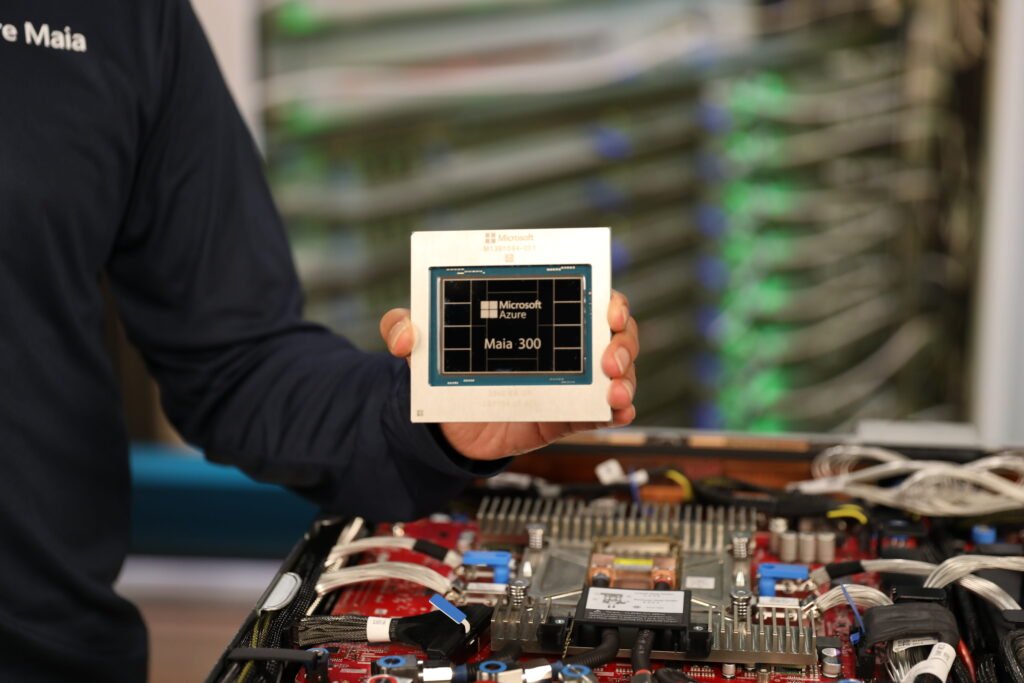
The AI‑chip landscape is shifting from reliance on off‑the‑shelf GPUs to purpose‑built silicon designed for specific data‑center workloads. Microsoft’s third‑generation Maia 300 chip promises “40% more tokens per …
Microsoft’s latest Maia 300 chip, unveiled this week, promises a 40% boost in token‑per‑megawatt efficiency over leading GPUs and is slated for production in 2027 with a multi‑gigawatt rollout. The company plans to make Maia the primary inference engine across …
\n\n
Key developments:
\n\n
A wave of hardware innovations announced in 2026 could dramatically reduce the electricity demand of AI workloads. Researchers have demonstrated an ultra‑small nanolaser that replaces electrical signaling with …
Key developments: AI models are now rivaling or surpassing national supercomputer forecasts. Norfolk’s WeatherQuest reports AI sometimes beats Met Office supercomputers while using far less power. The ECMWF’s AI ensemble produces 51 scenarios over ten times faster than its physics‑based …
Key developments: Leading agencies are now running AI alongside traditional supercomputers, with some AI runs matching or beating the Met Office’s massive computers (WeatherQuest). ECMWF’s AI ensemble can produce 51 scenarios more than ten times faster, using roughly 1,000 times …
\n\n
Key developments: The National Hurricane Center (NHC) has begun basing its Hurricane Isaias forecasts on Google DeepMind’s WeatherNext 3 AI model, moving away from sole …