
\n\n
A new £6.3 million government grant has been awarded to the Lincoln Institute for Agri‑Food Technology’s robotics centre, creating a dedicated hub for advanced farm robots. The funding will accelerate projects such as Earth Rover’s CLAWS weed‑zapping robot, strawberry‑picking prototypes and AI‑driven plant‑health monitors. Minister Kanishka Narayan highlighted the technology’s potential to cut costs, sustain jobs and reduce chemical inputs, while local farmer James Brown called the investment essential for turning Lincolnshire into a global farming leader.
Key developments:
- £6.3 million funding for the Lincoln robotics hub, part of a wider £40 million national rollout of eight specialist hubs.
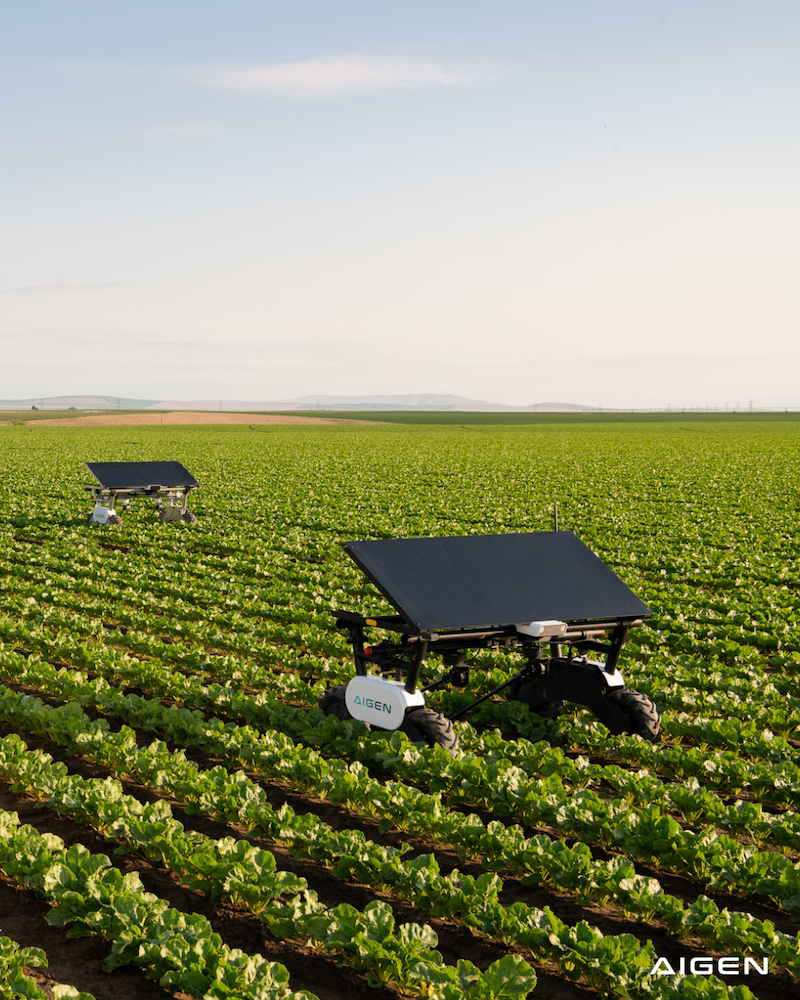
- Proven prototypes include CLAWS (laser‑based weed removal) and solar‑powered AI robots that can zap weeds with light, already in use in five countries.
- Parallel breakthroughs elsewhere: Aigen’s simulation platform can train robots for new crops in under a week; Carbon Robotics launches its Autonomy Ready programme; John Deere’s GUSS Automation integrates colour lidar for orchard machines; and the UK’s £20 million competition aims to spur further agricultural‑robot innovation.
Why it matters:
- Reduces reliance on chemical pesticides through precision weed control.
- Addresses labour shortages by offering automated weeding, harvesting and monitoring.
- Positions the UK, and specifically Lincolnshire, as a leader in sustainable, high‑tech agriculture, attracting global partners and export opportunities.
What to watch next:
- Field trials of CLAWS and strawberry‑picking robots across Lincolnshire farms.
- Results from the UK’s £20 million robotics competition and subsequent commercial roll‑outs.
- Adoption timelines for Aigen’s rapid‑training platform and Carbon Robotics’ autonomy services.
- Expansion of the eight national robotics hubs and potential new funding rounds.
These coordinated efforts signal a rapid scaling of agricultural robotics, promising greener, more productive farms and a new export niche for British agri‑tech. [[1, 2]]