
\n\n
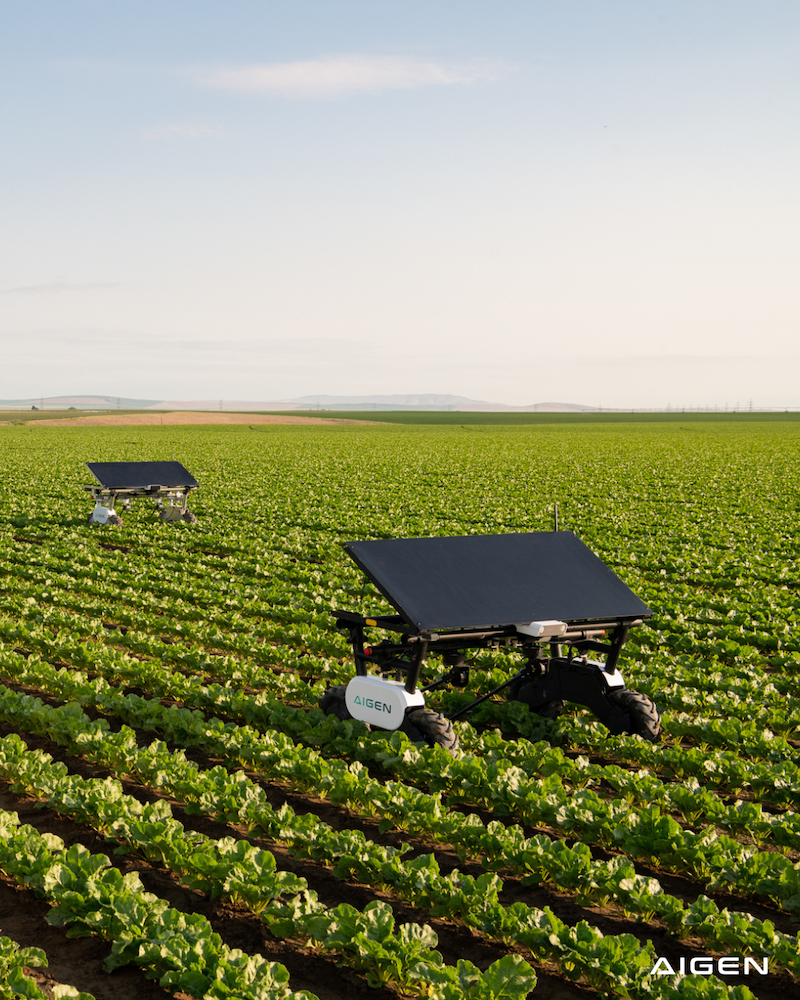
A new government‑backed robotics hub at the Lincoln Institute for Agri‑Food Technology has been awarded £6.3 million to fast‑track farm‑robot development. The funding will expand work on robots such as Earth Rover’s CLAWS, a solar‑powered, AI‑driven system that zaps weeds with concentrated bursts of light – a technology already in use in five countries – and prototypes that can pick strawberries. Minister Kanishka Narayan highlighted the range of capabilities, noting they address real‑world farmer needs while keeping jobs.
Key developments:
- The hub joins seven other specialist robotics centres across the UK, part of a £40 million national roll‑out aimed at turning research into field‑ready tools.
- Earth Rover’s solar‑powered weed‑zapper demonstrates a move away from chemical herbicides, offering a sustainable, low‑cost solution for growers.
- Parallel projects, such as Pragyanik AI’s Avighna X1 Lite in India, showcase compact, AI‑vision robots that combine weeding, targeted spraying, seeding and fertiliser delivery on a single platform, using GNSS‑RTK and LiDAR for precise navigation.
Why it matters:
- Reducing reliance on pesticides and manual labour tackles two of the biggest pressures on modern agriculture – environmental impact and labour shortages.
- Consolidating multiple field tasks into one autonomous machine cuts equipment costs and greenhouse‑gas emissions from fewer passes over the field.
- The UK’s coordinated funding creates a pipeline from university labs to commercial farms, positioning the country as a leader in precision agri‑robotics.
What to watch next:
- Field trials of the CLAWS robot in Lincolnshire and its rollout to additional UK farms.
- Commercial launch timelines for the Avighna X1 Lite and similar multi‑task robots targeting small‑to‑medium farms worldwide.
- The next round of UK funding competitions, including the £20 million initiative for agricultural robots, which could further expand the ecosystem of AI‑driven farm equipment. [[1, 2]]