
\n\n
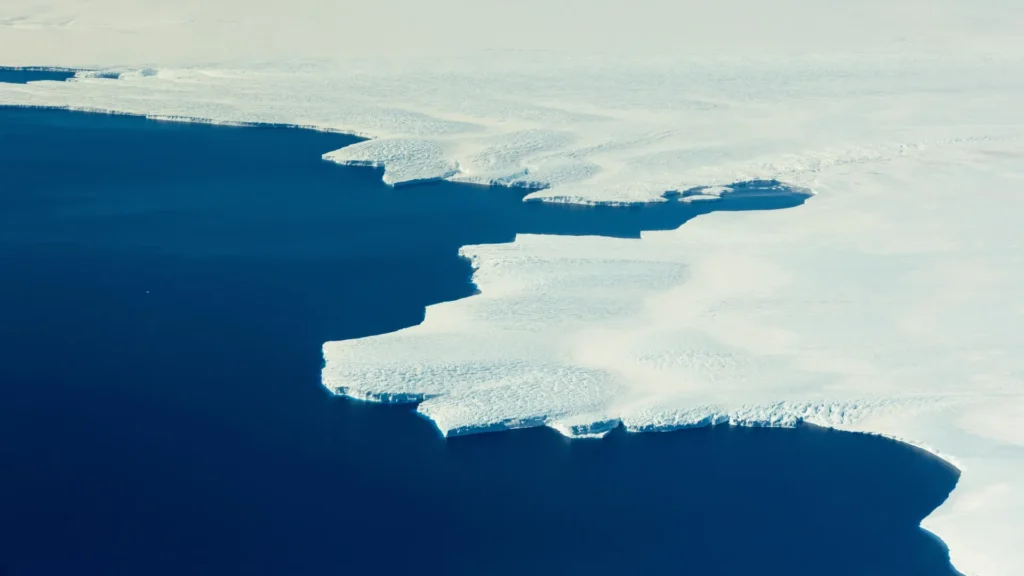
Key developments: Recent analyses confirm that Antarctica is shedding ice at a staggering rate of roughly 100 billion metric tons per year, while the area of Antarctic sea ice contracted to its smallest extent on record in 2023, with February coverage dropping to just 60 % of the 1981‑2010 average. The 2025 breakup of the massive A‑84 iceberg revealed unexpectedly rich seafloor habitats beneath floating ice shelves, highlighting both the vulnerability and ecological significance of these under‑ice ecosystems. Long‑standing ozone depletion studies note that the Antarctic ozone hole, first identified in 1985, remains a persistent feature, with its largest extent recorded in 2006 and the longest lasting event in 2020.
Why it matters: The accelerating ice mass loss contributes directly to global sea‑level rise, threatening coastal communities worldwide. Record low sea‑ice extent diminishes the planet’s albedo, amplifying warming and further destabilizing the Antarctic climate system. The newly observed biodiversity under ice shelves underscores the need to protect these hidden ecosystems from emerging threats such as increased shipping and tourism. Ozone depletion continues to affect ultraviolet radiation levels, with implications for both human health and Antarctic marine life.
What to watch next: Scientists anticipate more precise satellite and sub‑glacial measurements to track ice‑mass trends and to refine predictions of sea‑level rise. Ongoing monitoring of sea‑ice extent will test whether the recent low is a new baseline or a temporary fluctuation. Further expeditions to ice‑shelf grounding zones are planned to assess ecosystem resilience and to evaluate the impacts of climate‑driven changes on Antarctic biodiversity. International policy discussions are expected to focus on stricter emission controls and reinforced Antarctic Treaty regulations to limit tourism and protect vulnerable habitats. [[1]]