
\n\n
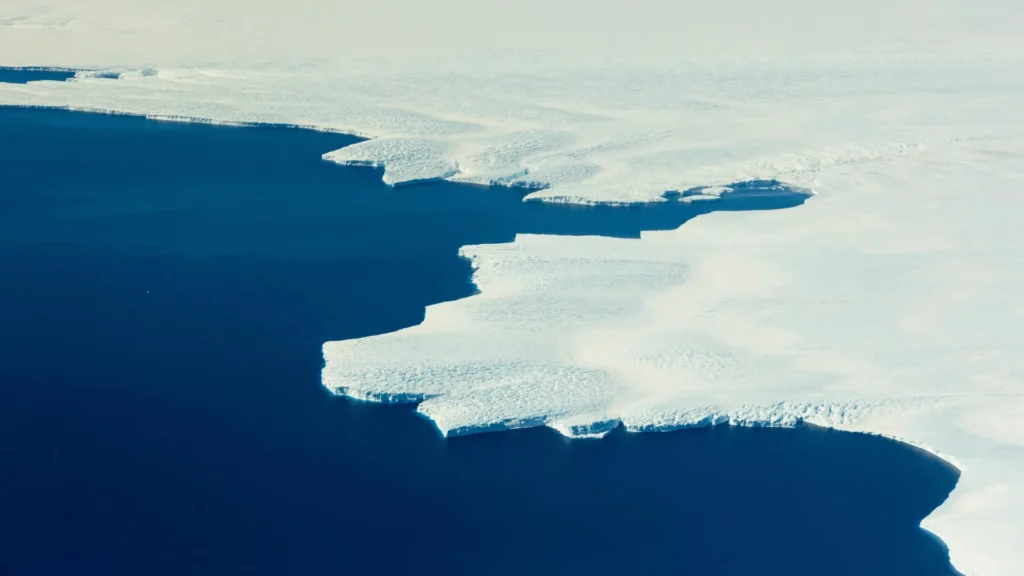
A giant iceberg, A‑84, split from the George VI Ice Shelf in January 2025, giving scientists a unique chance to investigate the ocean floor beneath floating ice. Using robotic submersibles, researchers discovered a surprisingly diverse ecosystem, including large corals, ancient sponges, icefish, giant sea spiders and octopuses at depths of up to 1,300 metres.
At the same time, satellite observations show that Antarctic sea‑ice extent hit a new record low in 2023, with February coverage only about 60 % of the 1981‑2010 average. The shrinking ice cover reduces habitat for ice‑dependent species and alters ocean circulation, potentially amplifying warming.
Why it matters: The A‑84 expedition demonstrates that even as surface ice retreats, the hidden benthic realm may host abundant life, reshaping our understanding of Antarctic biodiversity and its resilience. Meanwhile, the sea‑ice decline signals escalating climate stress, threatening species that rely on stable ice and influencing global sea‑level rise.
What to watch next: Continued monitoring of iceberg‑induced seafloor explorations will assess how widespread such rich habitats are beneath other ice shelves. Climate scientists will track whether sea‑ice loss accelerates further and how it interacts with atmospheric and oceanic patterns, informing future conservation and policy decisions. [[1]]