
\n\n
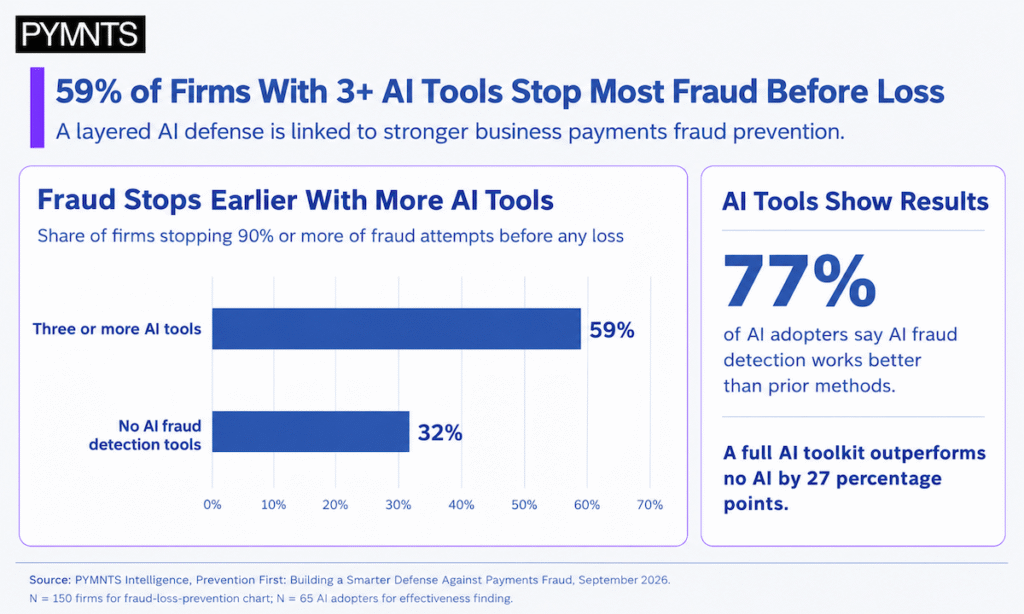
Recent developments show AI moving from simple alert‑scoring to full‑scale investigative assistance. New platforms such as Feedzai’s Farol AI agent embed directly in risk‑operations suites, allowing automated evidence gathering and disposition recommendations that mimic human analysts. At the same time, academic work on VR‑FraudNet demonstrates how large language models can be harnessed safely: they generate structured fraud explanations that are then checked by a deterministic verifier against transaction records and graph data, preventing hallucinated rationales from influencing decisions. These advances matter because traditional rule‑based systems can’t keep up with the speed of instant payments and the sophistication of AI‑enabled scams, as highlighted by experts warning that fraudsters now use deepfakes, voice cloning, and rapid AI‑generated phishing. Regulators such as the FATF are already noting the rise of machine‑learning‑based risk scoring, signaling institutional support for these technologies. Watching next: broader adoption of agentic AI agents across banks, real‑time integration of verifier‑grounded models into production pipelines, and continued regulatory guidance shaping how AI‑enhanced fraud defenses are audited and deployed. [[1, 2]]