
\n\n
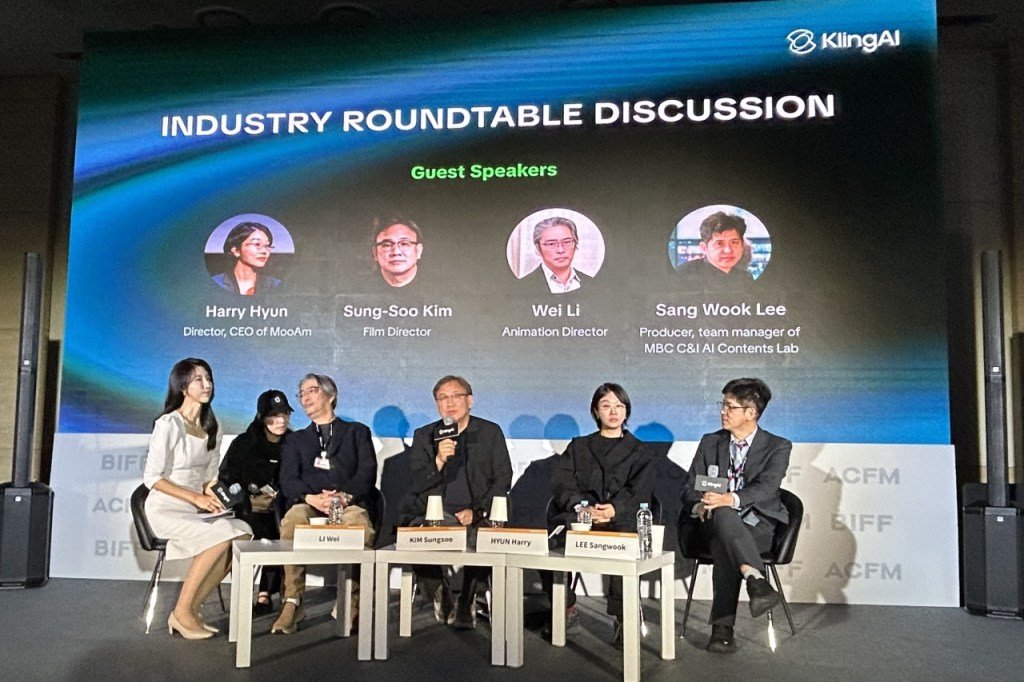
Key developments: Major studios and platforms are deepening AI integration. Netflix disclosed that AI has been used across roughly 300 of its titles, sparking a high‑profile panel at Busan where executives debated the technology’s limits. In Hollywood, James Cameron’s Lightstorm has bought Outsyders to embed AI‑driven stereoscopic post‑production into its 3D workflow, while OpenAI’s $300 million purchase of Glass Imaging promises AI‑enhanced imaging from tiny sensors. Meanwhile, independent creators showed the cost‑saving potential of generative video: the sci‑fi series "The Arc" was produced with just $38,000 in AI credits, eliminating the need for actors, sets, or costumes.
Why it matters: The Netflix figure signals AI’s transition from experimental to mainstream, potentially reshaping budgeting, scheduling, and creative pipelines across the industry. Cameron’s acquisition signals that even elite visual‑effects houses see AI as a way to push technical boundaries while cutting labor‑intensive steps. OpenAI’s hardware move could democratize high‑quality image capture for smaller productions. The "Arc" case study demonstrates how AI can dramatically lower production costs, opening doors for storytellers without deep pockets.
What to watch next: Expect tighter integration of AI tools in post‑production suites—already evident with Runway now embedded in DaVinci Resolve—speeding up iterative editing. Watch for further acquisitions targeting AI‑enabled capture hardware, and for studio policy updates as AI‑driven budgets become a bargaining point in green‑lighting. Finally, monitor the outcomes of industry debates like the Busan panel, which may shape ethical guidelines and the balance between human creativity and machine efficiency in future film projects. [[1, 2, 3, 4]]