
\n\n
Recent breakthroughs are reshaping how scientists predict a warming planet. In 2025 the European Centre for Medium‑Range Weather Forecasts introduced its AI‑driven system AIFS, which "produces forecasts that improve on traditional physics‑based models" and can assess extreme‑event probabilities with far greater geographic detail. This capability is echoed by the broader AI climate community: AI weather models now generate global 10‑day forecasts in seconds on ordinary hardware, and they are being paired with conventional physics models to boost reliability.
The operational impact is already visible. The U.S. National Hurricane Center has begun to align its tracks with an AI model from Google DeepMind, noting that the "AI models have shown more consistency" and that reliance on this guidance helped forecasters anticipate rapid storm intensification, as demonstrated with Hurricane Melissa and the upcoming Hurricane Isaias. Such early warnings give emergency managers and insurers more time to act, potentially saving lives and reducing economic loss.
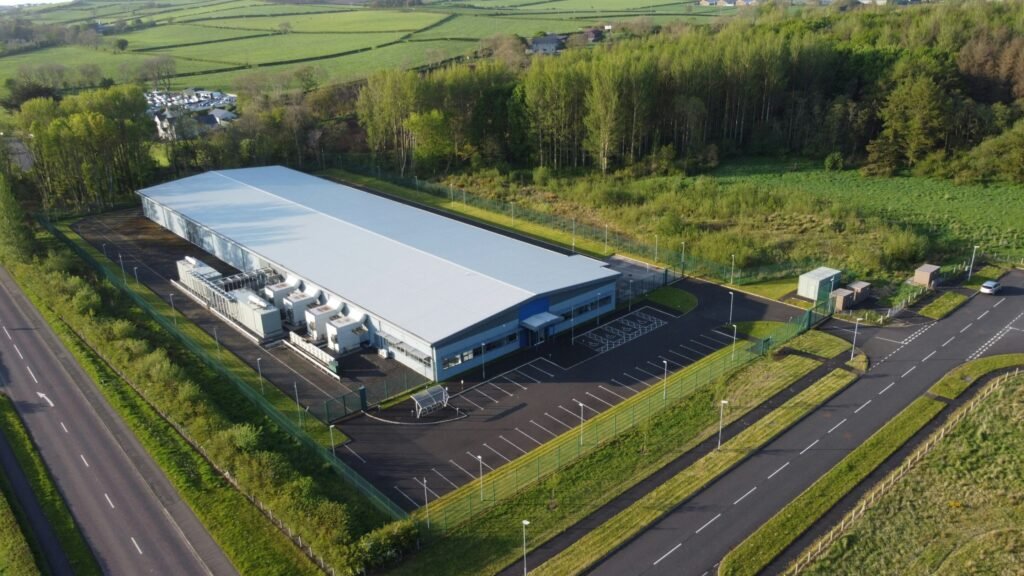
Why this matters is twofold. First, finer‑grained, faster predictions improve climate risk assessment, from extreme‑weather insurance pricing to governmental disaster preparedness. Second, the surge in AI’s computational appetite is stark: the International Energy Agency reports that energy use for training and running large language models has "risen roughly tenfold since ChatGPT was launched in November 2022." As AI becomes integral to climate science, its own carbon footprint must be managed through more efficient data‑center design and governance.
What to watch next: 1) Wider deployment of AI‑augmented climate emulators that could eventually complement or replace some physics‑only simulations; 2) Policies and standards aimed at curbing AI’s energy use while preserving its forecasting gains; and 3) Ongoing field tests, such as the NHC’s partnership with DeepMind, that will reveal how AI can reliably predict rapid intensification events across diverse basins. The balance between AI’s climate‑helping power and its energy demands will shape the next decade of climate modelling. [[1, 2, 3]]