
ebotweb.com News Analytics
Topics
- AI fraud detection
- Artificial Intelligence
- Energy
- Science
- Business
- Defense
Key entities
- PYMNTS Intelligence
- Google DeepMind
- GovTech
- CRIF
- FraudGPT
- WormGPT
- Anthropic
- Mythos
Activity
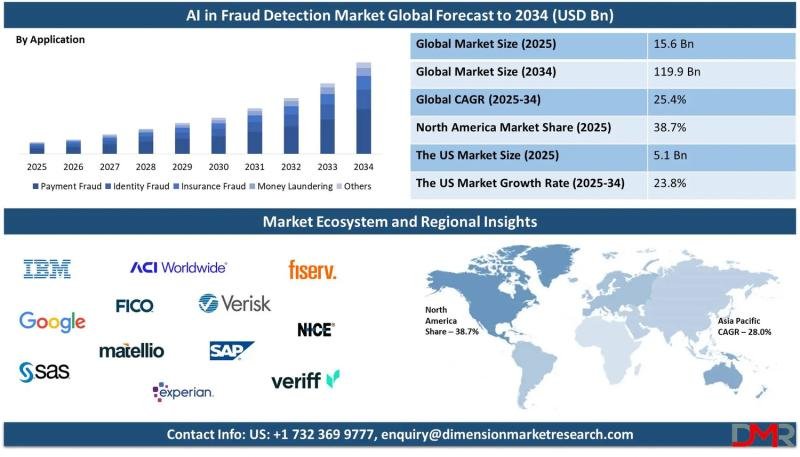
Financial firms are increasingly adopting AI-powered fraud detection tools, with 77% of users reporting superior performance compared to manual methods. New developments include on-device scam detection technology and multi-source algorithms designed to identify sophisticated forged documents.
Locations
- Singapore
- Fraud Detection Market
Causes & context
The transition to AI is driven by the need to analyze massive transaction datasets in real-time to counter fraud schemes that exploit rapid payment windows. Additionally, the emergence of generative AI tools like FraudGPT has lowered the barrier for criminals, necessitating more advanced defensive measures.
People affected
- Financial institutions
- Mobile device users
- Fraudsters
- Users
Contrasts & changes
Firms utilizing AI report a 90% fraud prevention success rate, significantly outperforming the 32% success rate achieved by organizations relying on traditional, manual, or rule-based systems. Defense strategies are also shifting from server-side scanning toward on-device protection to enhance user privacy.