
\n\n
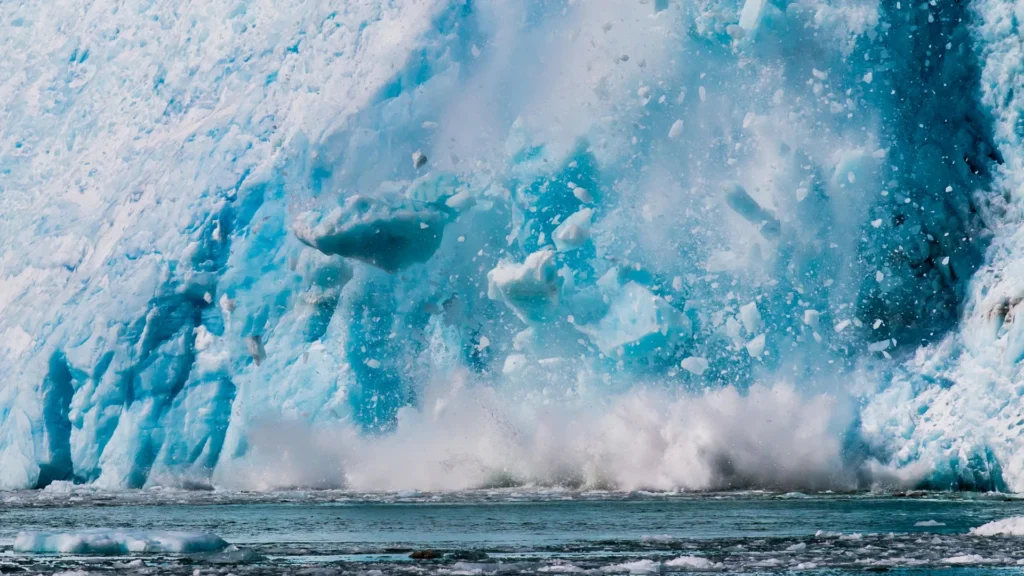
Recent satellite observations show that Antarctic sea ice fell to its third‑lowest winter maximum on record in 2026, marking a stark reversal after several years of unprecedented growth. Scientists are scrambling to determine whether this drop reflects a temporary blip or a more permanent climate‑driven trend. At the same time, computer modelling of the Thwaites "doomsday" glacier indicates that even dramatically colder ocean temperatures would not halt its retreat, underscoring the vulnerability of key ice‑sheet outlets.
Key developments:
- The 2026 winter sea‑ice extent is the third lowest ever measured, a dramatic drop from the record highs of previous years.
- Researchers are probing the causes, including atmospheric circulation changes and warming ocean waters, to assess whether the decline marks a long‑term shift.
- Modelling of Thwaites glacier shows continued melting despite hypothetical ocean cooling, highlighting the glacier’s inertia and its potential to raise global sea level.
Why it matters:
- Sea‑ice extent influences albedo, ocean circulation, and the Southern Ocean ecosystem; a sustained reduction could accelerate regional warming and affect marine food webs.
- Thwaites glacier contributes disproportionately to sea‑level rise; its unabated retreat could add several meters to global sea levels over the coming centuries.
What to watch next:
- Ongoing satellite and field studies that will track sea‑ice trends through the next melt season.
- Updated climate model projections that integrate the new sea‑ice data and Thwaites glacier dynamics.
- International policy responses, including potential mitigation strategies and funding for Antarctic research, as the implications for coastal communities worldwide become clearer. [[1, 2]]