
\n\n
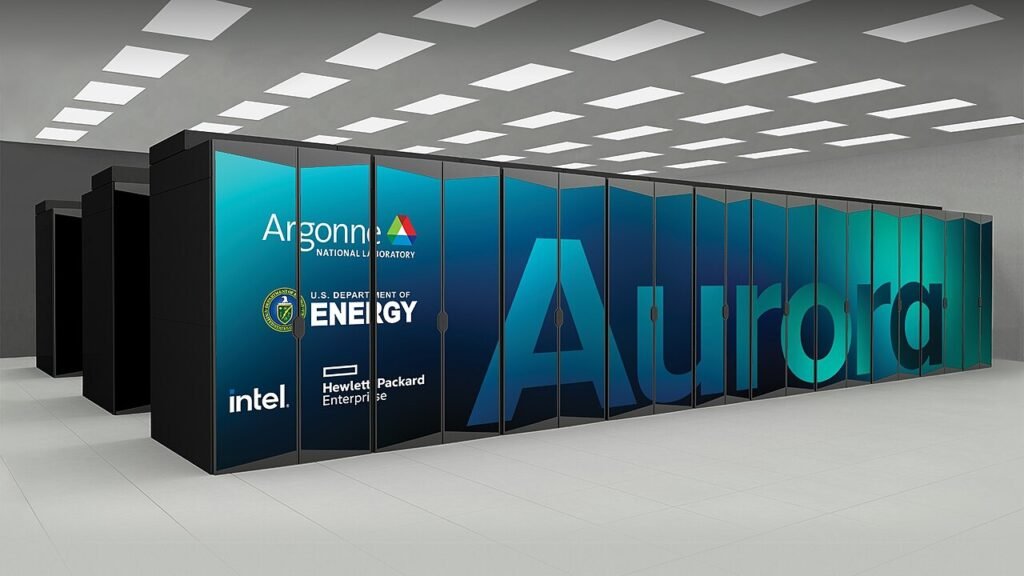
The Argonne National Laboratory recently held the Argonne Extreme-Scale Computing Workshop, offering participants hands‑on training with cutting‑edge supercomputers and artificial‑intelligence tools. The event, part of the ATPESC 2026 series, focused on building the expertise needed to harness next‑generation exascale systems.
Key developments:
- The workshop provided practical experience on the latest exascale platforms, helping researchers learn how to scale their applications to millions of cores.
- Training covered advanced AI integration, enabling scientists to combine massive computational power with machine‑learning workflows for faster discovery.
Why it matters:
- As scientific challenges grow—from climate modeling to genomics—exascale supercomputers are essential for processing petabytes of data in realistic timeframes.
- Equipping the research community with the skills to efficiently use these resources ensures that the substantial investments in hardware translate into tangible scientific breakthroughs.
What to watch next:
- Follow the rollout of Argonne’s new exascale systems slated for deployment later in 2026, which will further expand computational capacity for U.S. researchers.
- Monitor collaborations between national labs and industry partners as they integrate AI-driven optimization techniques into exascale workloads.
This workshop signals a pivotal step toward broader adoption of extreme‑scale computing, positioning the United States to lead in high‑performance scientific research. [[1]]