
\n\n
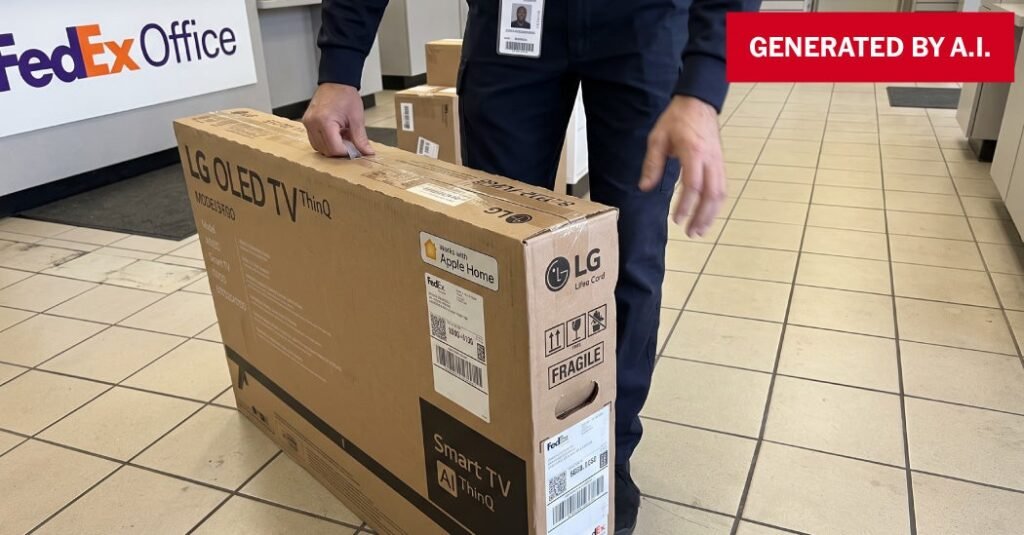
A new public verification portal from Google lets anyone check whether an image, video or audio file was created by artificial intelligence, marking a major step toward transparency in the fast‑growing world of AI‑generated visuals. The tool, built on Google’s SynthID watermarking system introduced in 2023, now supports a wide range of file formats and is integrated into the Gemini app and Chrome, handling roughly one million verification requests per day.
The launch arrives alongside two other headline‑making developments. OpenAI has begun testing a visual advertising format inside ChatGPT’s image‑generation interface, expanding the platform’s commercial capabilities and promising new metrics for ad performance. At the same time, Google unveiled Nano Banana 2.1, an upgraded image‑generation model that delivers higher visual fidelity while cutting the cost of a 1K‑pixel image in half, from 6.70 cents to 3.36 cents, and similarly slashing 4K generation expenses.
Why it matters
- Transparency and trust: As AI‑generated images flood social media, news and advertising, a readily accessible verification service helps users spot deepfakes and synthetic media, reducing misinformation risk.
- Commercialization of generative AI: OpenAI’s visual ad format signals that AI‑created visuals are moving from novelty to core revenue streams, prompting brands to explore AI‑driven creative campaigns.
- Lower barriers to creation: Google’s cost reduction makes high‑quality AI imagery affordable for smaller creators and businesses, accelerating adoption but also raising concerns about the volume of synthetic content online.
What to watch next
- Ad‑tech standards: Expect industry bodies to develop guidelines for labeling AI‑generated ads, ensuring disclosures keep pace with OpenAI’s rollout.
- Detection arms race: As synthesis becomes cheaper, tools like Google’s SynthID may face pressure to stay ahead of increasingly sophisticated deepfake generators.
- Policy responses: Regulators may consider mandatory watermarking or verification requirements for publicly distributed AI media, especially in political or health‑related contexts.
Together, these moves illustrate a pivotal moment where the creation, monetization, and verification of AI‑generated images are converging, shaping how visual content will be produced and trusted in the months ahead. [[1, 2]]