
\n\n
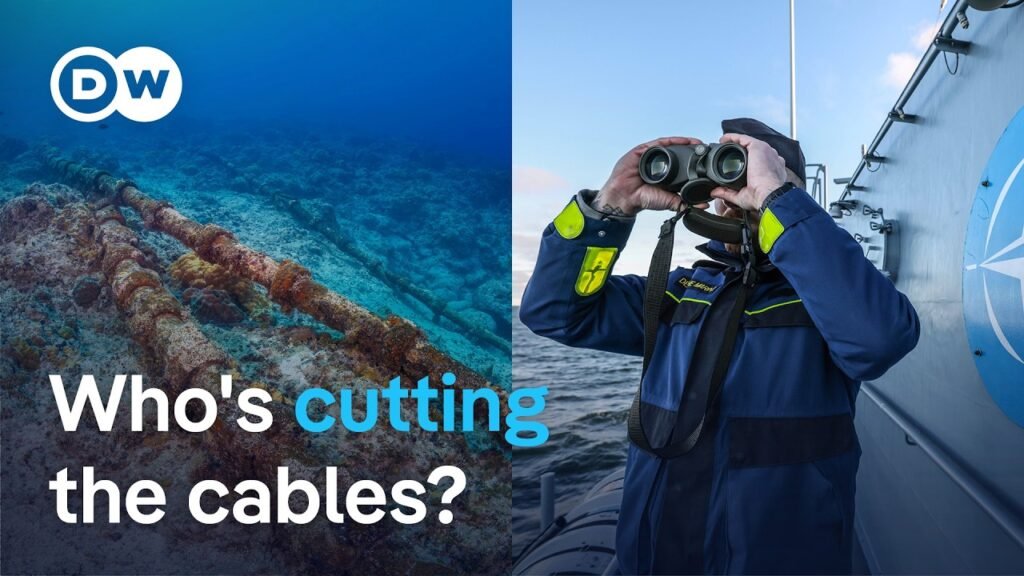
Key developments: Iran’s national security chief warned that U.S.-linked undersea communications cables and AI facilities could be targeted if hostilities in the Strait of Hormuz resume, underscoring the growing use of submarine infrastructure as a geopolitical lever. At the same time, Australia is moving forward with two major subsea projects in Darwin – Google’s Bosun cable and Inligo Networks’ ACC‑1 system – positioning the city as a new hub linking Southeast Asia, the Pacific and the United States.
Why they matter: The Iranian threat highlights how undersea cables, which carry the bulk of global data, are now part of strategic bargaining and could be weaponized in regional conflicts. Conversely, the Darwin initiatives demonstrate a push to diversify routing away from traditional chokepoints like the South China Sea, enhancing redundancy and regional digital resilience. Both stories illustrate the dual nature of subsea cables as critical economic arteries and potential flashpoints.
What to watch next: Monitor diplomatic talks over Hormuz for any escalation that might translate into actual cable attacks, and track regulatory approvals and construction timelines for the Bosun and ACC‑1 projects, especially as they aim for operational status by 2029‑2030. Additional attention should be given to the frequency of cable faults—about 150‑200 annually, mostly accidental—as increased geopolitical pressure could raise the risk of deliberate disruptions. [[1, 2, 3]]