
\n\n
A fluorine‑free, water‑based binder developed by UC San Diego and Toyota replaces toxic solvents, allowing electrode films to detach in plain water and cutting manufacturing waste and energy use. Laboratory tests showed the binder matches conventional lithium‑ion performance, preserving capacity over hundreds of cycles. This breakthrough simplifies recycling: electrodes can be recovered by soaking, avoiding harsh chemicals or high‑temperature steps.
Industry players are already leveraging easier recycling. Porsche’s pilot uses fully recycled cathode materials—lithium, nickel, cobalt, manganese—to produce new EV cells, while GM’s collaboration with Cirba Solutions demonstrated a closed‑loop process using 100% recycled nickel, cobalt and manganese from end‑of‑life packs. These projects illustrate how the new binder could accelerate closed‑loop supply chains.
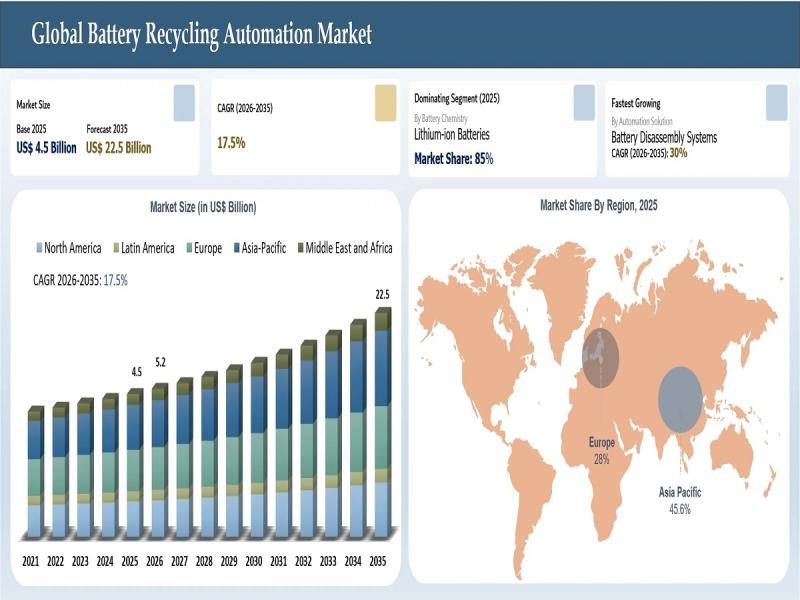
Regulatory frameworks support the shift; the European Commission affirmed existing recycling efficiency and material recovery targets, maintaining 90% recovery goals for critical metals and a 50% lithium target by 2027. Market analysts expect the global battery recycling market to grow to US$6.6 billion by 2033 (CAGR ~17.8%).
What to watch next: scaling of the water‑soluble binder from lab to production lines, further pilot deployments by OEMs, and policy updates as EU targets evolve. The convergence of greener chemistry, commercial pilots, and supportive regulation points to a rapid expansion of circular battery manufacturing. [[1, 2, 3]]