
\n\n
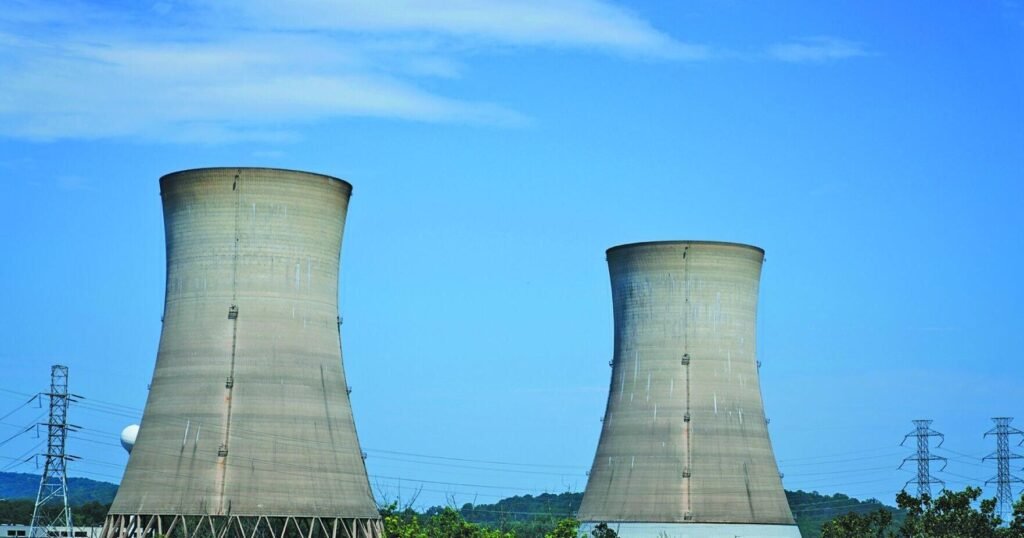
Key developments: Utilities and tech firms are expanding "demand response" programs that let data centers curtail or shift load during peak grid stress, a move shown to cut potential …
\n\n
Key developments: Utilities and tech firms are expanding "demand response" programs that let data centers curtail or shift load during peak grid stress, a move shown to cut potential …

\n\n
A wave of announcements this week highlights accelerating progress in distributed computing beyond Earth’s surface. Spire Global demonstrated a two‑way optical inter‑satellite link, marking a milestone for optical inter‑satellite‑link …

\n\n
Major cloud and telecom providers are rapidly extending the physical reach of distributed workloads. Vodafone announced a push to 100 edge data centers in Spain by year‑end, growing its …

\n\n
Edge computing is rapidly emerging as a practical alternative to massive off‑grid gas plants for AI inference workloads. Prelude Ventures partner Katie Clasen notes that she is monitoring 35 firms—including startups and …

\n\n
Key developments: Prelude Ventures is monitoring a rapidly expanding ecosystem of roughly 35 companies deploying edge compute nodes at locations with idle renewable power, from utility‑scale solar farms to EV‑charging hubs. This …

\n\n
AWS introduced a Serverless AI Runtime at re:Invent 2024, enabling developers to run inference workloads without provisioning servers. The managed service lets users upload model artifacts and define schemas, automatically allocating GPU or CPU resources …

\n\n
AWS announced its Serverless AI Runtime at re:Invent, a managed service that lets developers upload model artifacts and run inference on demand without provisioning servers. By handling resource allocation automatically, the runtime promises to remove …

\n\n
Key developments:

\n\n
Key developments
\n\n
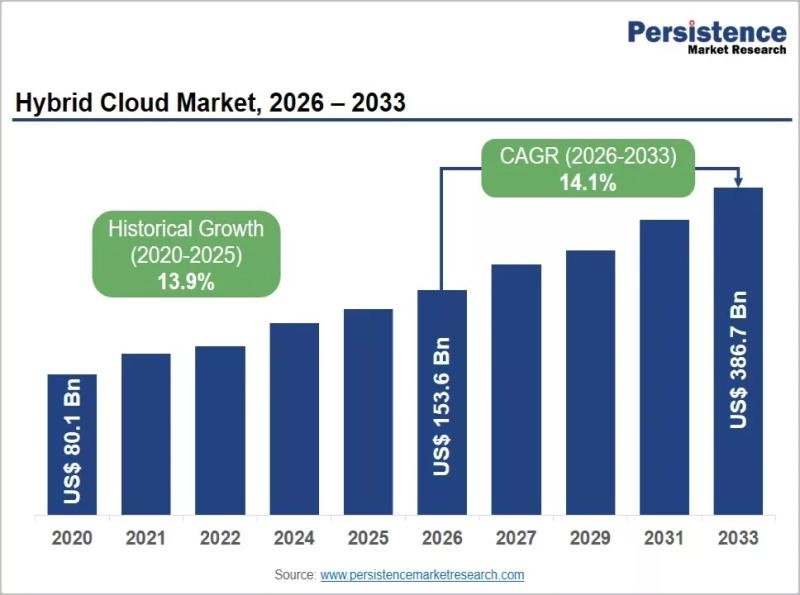
Key developments: A new Persistence Market Research forecast shows the hybrid‑cloud market will grow from $153.6 billion in 2026 to $386.7 billion by 2033, a 14.1% compound annual …