
\n\n
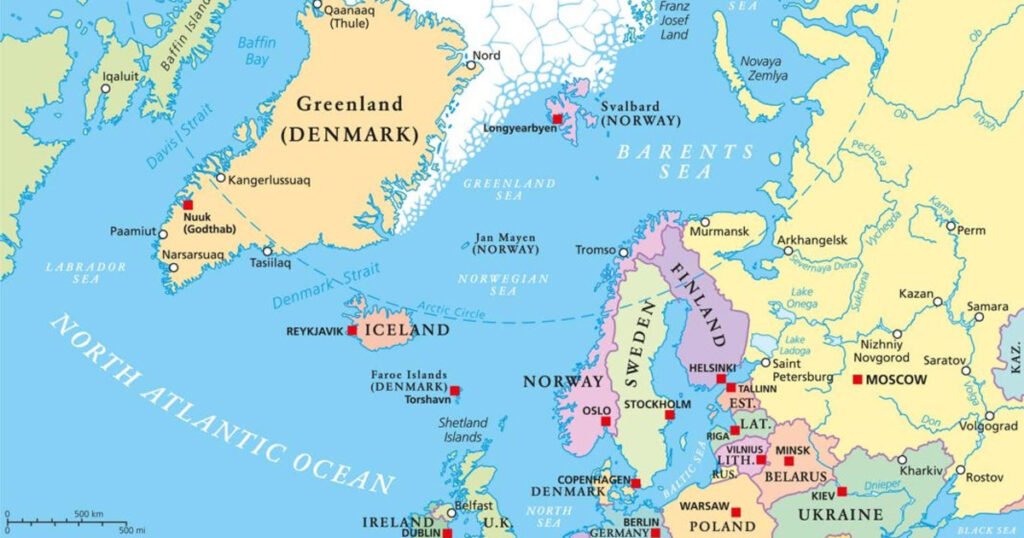
Key developments: A new security agreement between the United States, Denmark and Greenland was signed at the UN General Assembly, pledging two American military bases on Greenland and signalling a deeper American footprint in the High North. Greenland’s foreign minister emphasized the need to rebuild trust after the deal, underscoring the diplomatic sensitivity of the arrangement.
Why it matters: The pact reconfigures the strategic balance in the Arctic, where melting ice is opening shipping routes and exposing vast energy and mineral resources. With the US cementing a permanent security role, rivals such as Russia and China are likely to intensify their own Arctic activities, potentially heightening geopolitical competition over access and influence.
What to watch next: The Arctic Circle Assembly, opening Thursday in Reykjavík, will host more than 700 delegates discussing the region’s future. Observers will watch whether the assembly’s climate agenda—highlighted by former Chinese diplomat Fu Ying’s warning that climate change, not geopolitics, is the Arctic’s real challenge—can shape policy amid the growing security focus. Further US‑Greenland infrastructure projects and reactions from Russia and China will be key indicators of the evolving Arctic landscape. [[1, 2, 3]]